
400-108-9123

News & Events
Water Utility Laboratories: Selecting and Managing a Pure Water System
Utility labs run the full GB 5749 panel — high volume, many methods, and periodic audits. This covers selection essentials and routine management.
Environmental Monitoring Labs: Four Keys to Configuring Ultrapure Water
Blank requirements in environmental monitoring keep tightening, and water background sets those blanks. This covers the key considerations and common ...
Choosing Ultrapure Water for Research Labs: From Cell Culture to Molecular Biology
Research labs have varied applications, tight budgets and shared use. This maps water quality requirements by technique and outlines a configuration f...
Water Systems for Hospital Clinical Laboratories: Biochemistry Analysts and Reagent Preparation
Clinical labs draw large volumes continuously, and a water interruption stops reporting. This covers water quality requirements and configuration for ...
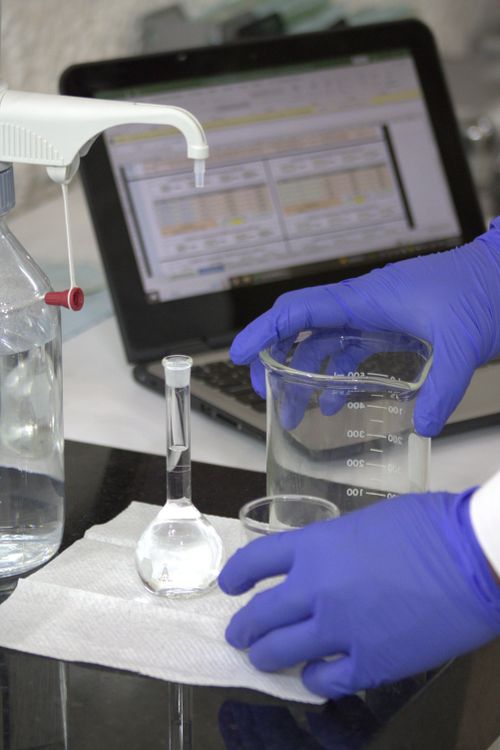
Water Systems for CDC and Microbiology Labs: Serving Both Microbiological and Wet-Chemistry Needs
CDC labs typically run microbiological testing and wet chemistry side by side — and the two have contrasting water requirements. Here is how to serve ...
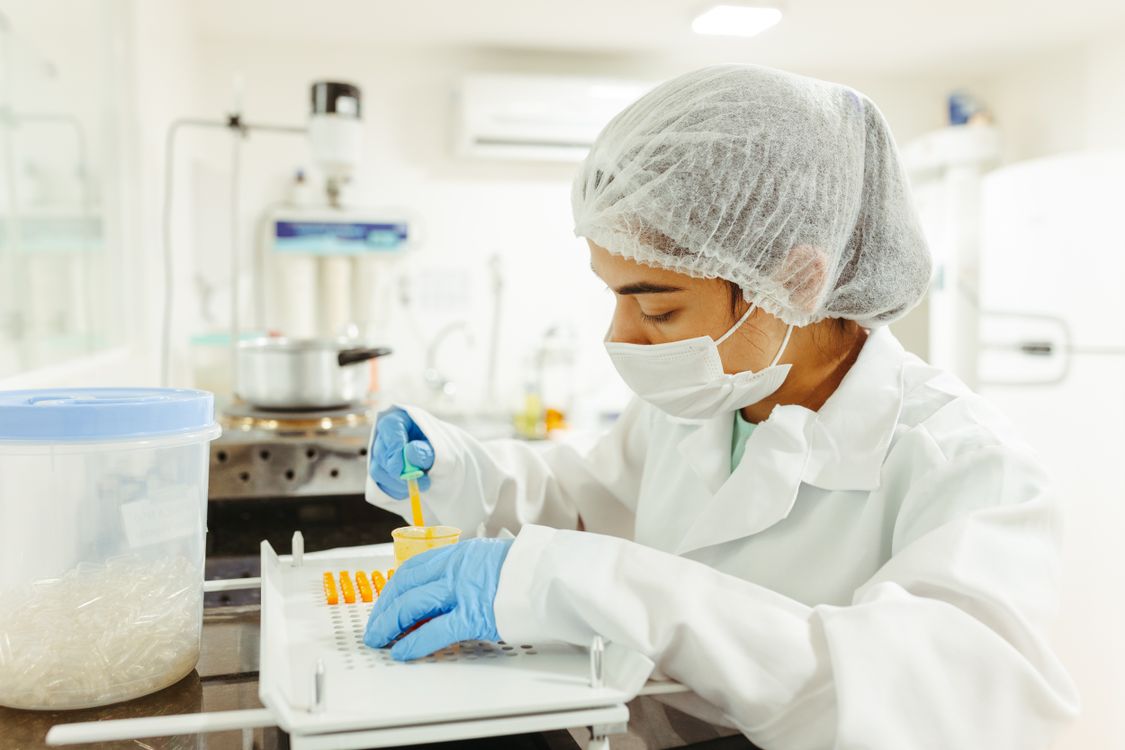
Pharmaceutical QC Lab Water: What a GMP Inspection Actually Looks At
Pharmaceutical lab water is not just an equipment purchase. This covers what GMP inspections typically examine regarding purified water, the records e...
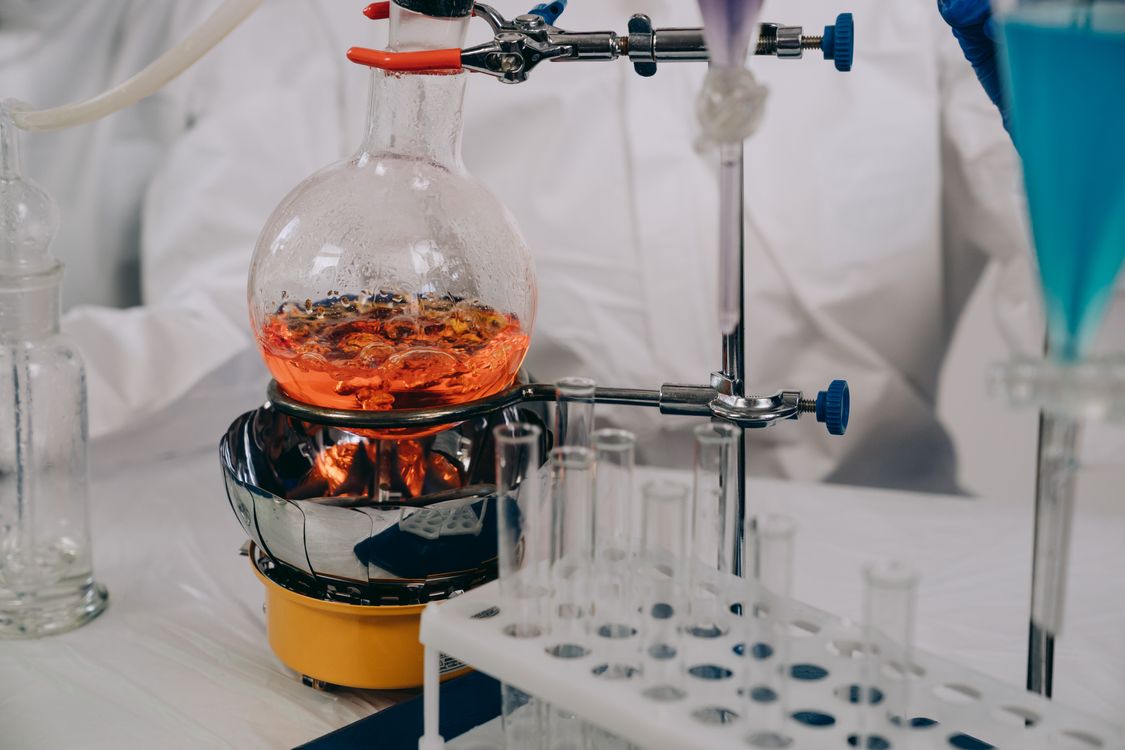
ICP-MS Detection Limits Not Reaching Target? Your Water May Be the Ceiling
In trace metal analysis, the metal background in your water sets the floor on detection limits. Here is where that contamination comes from, how to qu...
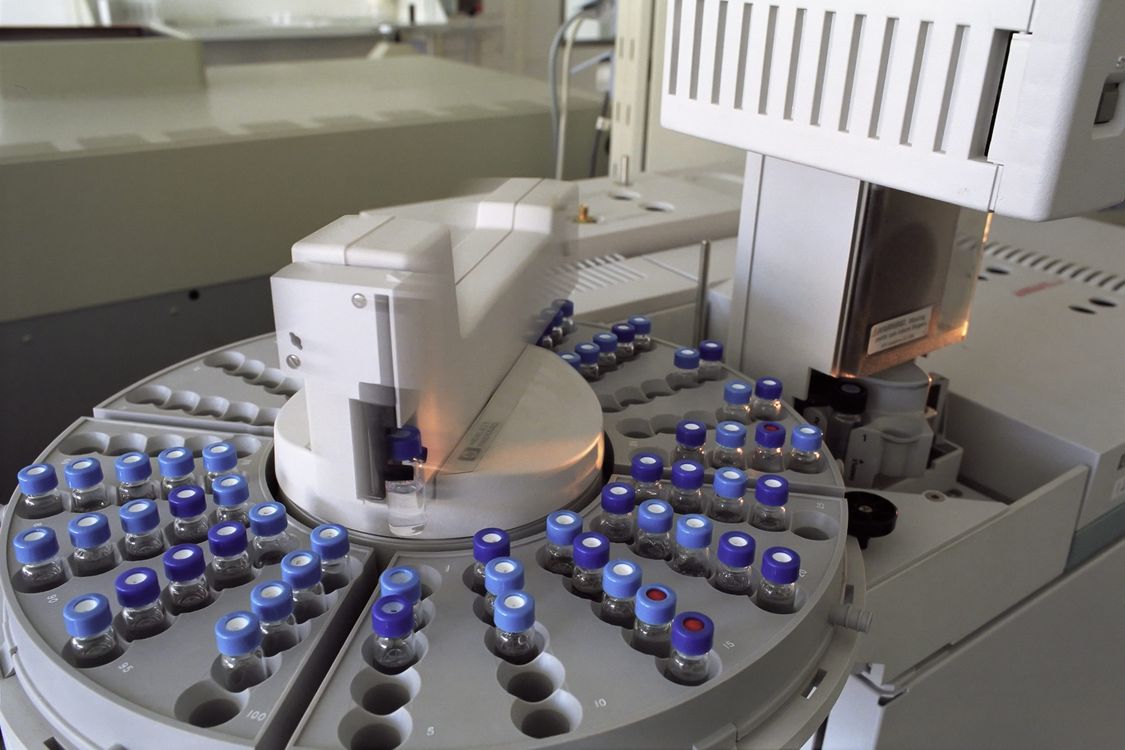
Baseline Drift and Ghost Peaks in HPLC? Check Your Water First
Column replaced, mobile phase remade, method re-run — and the baseline still drifts. A surprising share of chromatography mysteries trace back to one ...
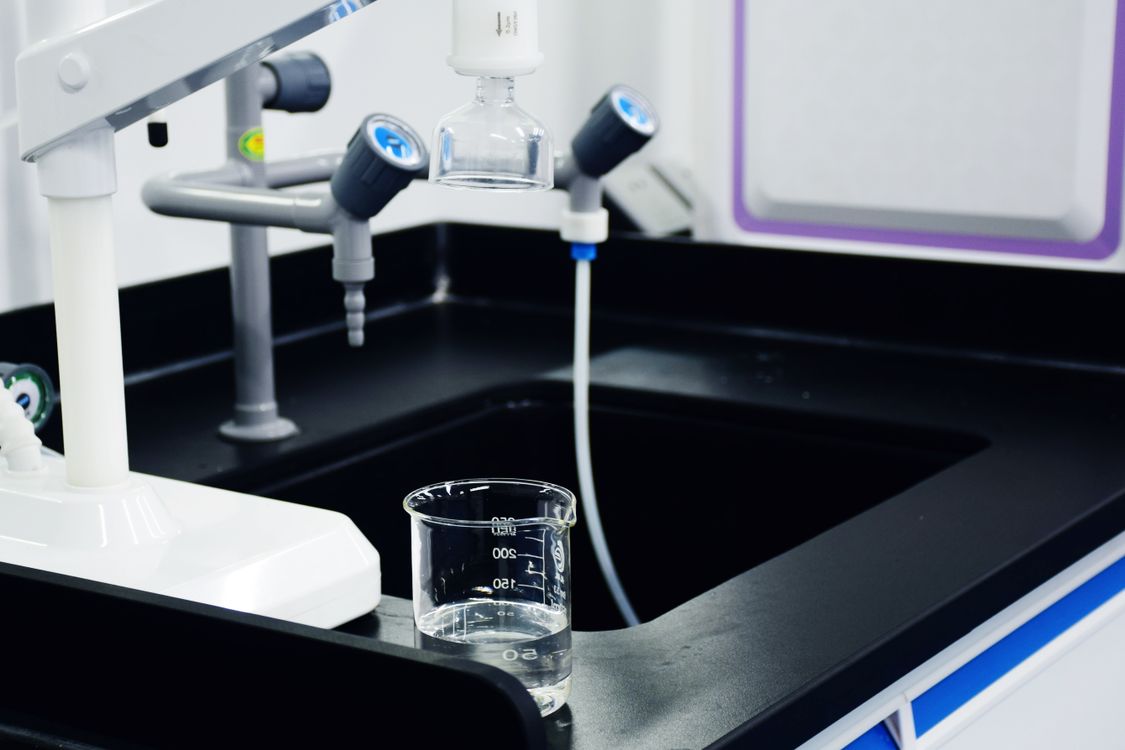
Stagnation in Ultrapure Water Systems: Why Quality Drops Overnight
The first draw of the morning is always the worst — that is not imagination. Stagnant water is an inherent problem in ultrapure systems. Here is why i...
What 18.2 MΩ·cm Actually Means: Resistivity in Plain Language
18.2 is the theoretical ceiling for pure water — but a display reading 18.2 does not mean you received 18.2. Here is the physics, why the ceiling exis...
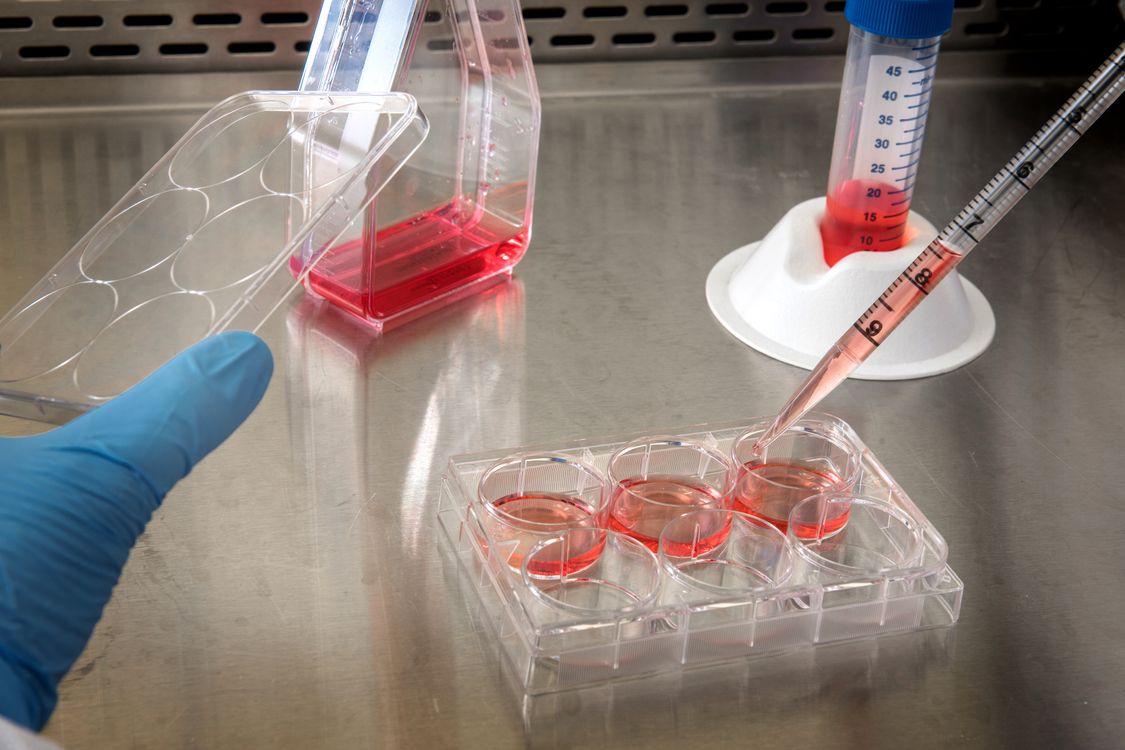
Lab Water Grades Explained: GB 6682 and ASTM Type I/II/III Compared
What actually separates Grade 1, 2 and 3 water? A side-by-side of GB 6682-2008 and ASTM classifications, plus which grade each type of work really nee...
How to Choose a Lab Ultrapure Water System: 5 Hard Specs and a Pitfall Checklist
Choosing an ultrapure water system is a spec exercise, not a brand exercise. Resistivity, TOC, bacteria, particles and dispensing flow rate decide whe...
Method Validation and Instrument Performance Qualification for UV-Vis Spectrophotometry
Method validation and instrument performance qualification are fundamental to ensuring analytical data reliability. This article systematically introd...
UV-Vis Spectrophotometry in Chemical Industry and Materials Science
In chemical manufacturing and materials science research, UV-Vis spectrophotometry is an essential tool for quality control, product testing, and mate...
UV-Vis Spectrophotometry in Clinical Laboratory Testing and Medical Diagnostics
UV-Vis spectrophotometry is a fundamental analytical technique in clinical laboratories, widely used in biochemical parameter testing, enzyme activity...
Determination of Heavy Metals by UV-Vis Spectrophotometry
Heavy metal pollution is a major issue in environmental and food safety. UV-Vis spectrophotometry, through chromogenic reactions, provides a cost-effe...
Application of UV-Vis Spectrophotometry in Biochemical Research
UV-Vis spectrophotometry is the most commonly used quantitative analysis tool in biochemistry laboratories, widely applied in nucleic acid and protein...
Application of UV-Vis Spectrophotometry in Food Safety and Nutrition Analysis
Food safety and nutrition are hot topics in society. UV-Vis spectrophotometry plays an important role in food additive detection, nutrient analysis, p...
Application of UV-Vis Spectrophotometry in Pharmaceutical Analysis
UV-Vis spectrophotometry is an indispensable quality control tool in pharmaceutical analysis, widely applied in API testing, formulation assay, dissol...
Application of UV-Vis Spectrophotometry in Environmental Water Quality Testing
UV-Vis spectrophotometry is one of the most commonly used detection methods in environmental water quality analysis, widely applied in the quantitativ...
Ultrapure Water in Life Sciences Research: Key Applications and Quality Requirements
Life science experiments have extremely strict requirements for water quality. From cell culture to molecular biology, ultrapure water forms the found...
The Critical Role of Ultrapure Water in HPLC and LC-MS Analysis
In HPLC and LC-MS analysis, water quality directly affects the accuracy and reproducibility of analytical results. This article discusses ultrapure wa...
STON Technologies Participates in 2024 International Laboratory Equipment Exhibition
STON Technologies will participate in the 2024 International Laboratory Equipment Exhibition, showcasing the latest ultrapure water systems and spectr...
STON Technologies Launches New Generation NanoQuant1810 Ratio Dual-Beam Spectrophotometer
STON Technologies officially launches the new generation NanoQuant1810 ratio dual-beam spectrophotometer, with higher precision and wider application ...