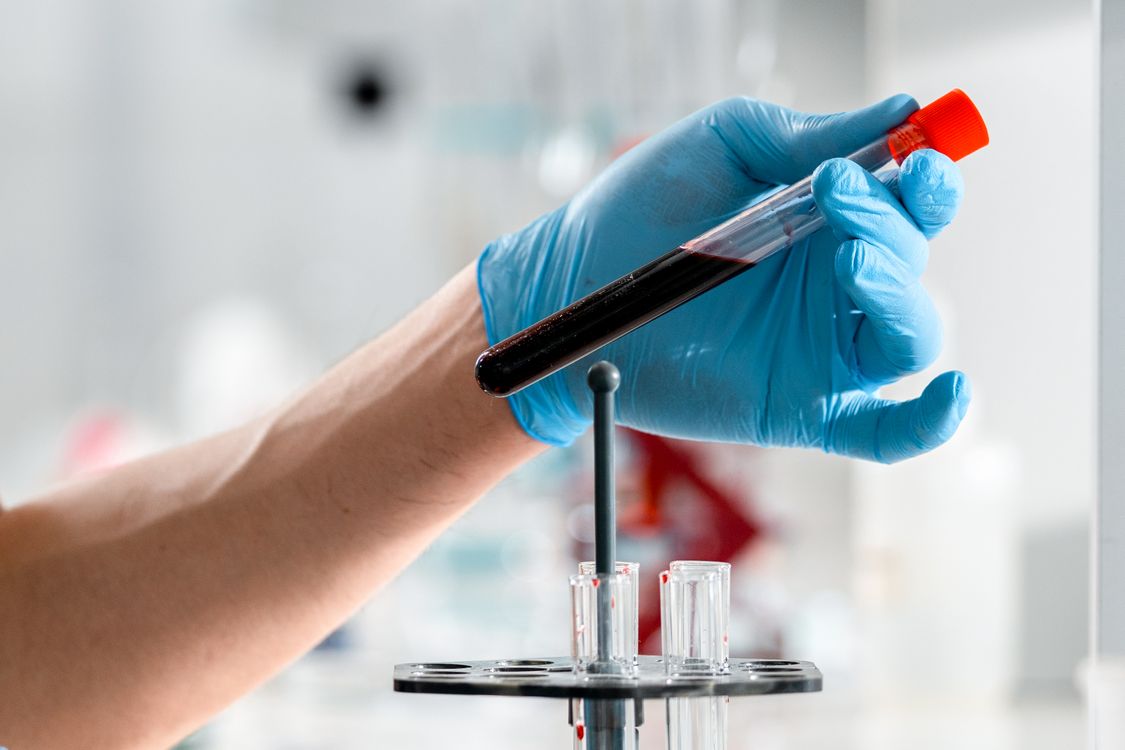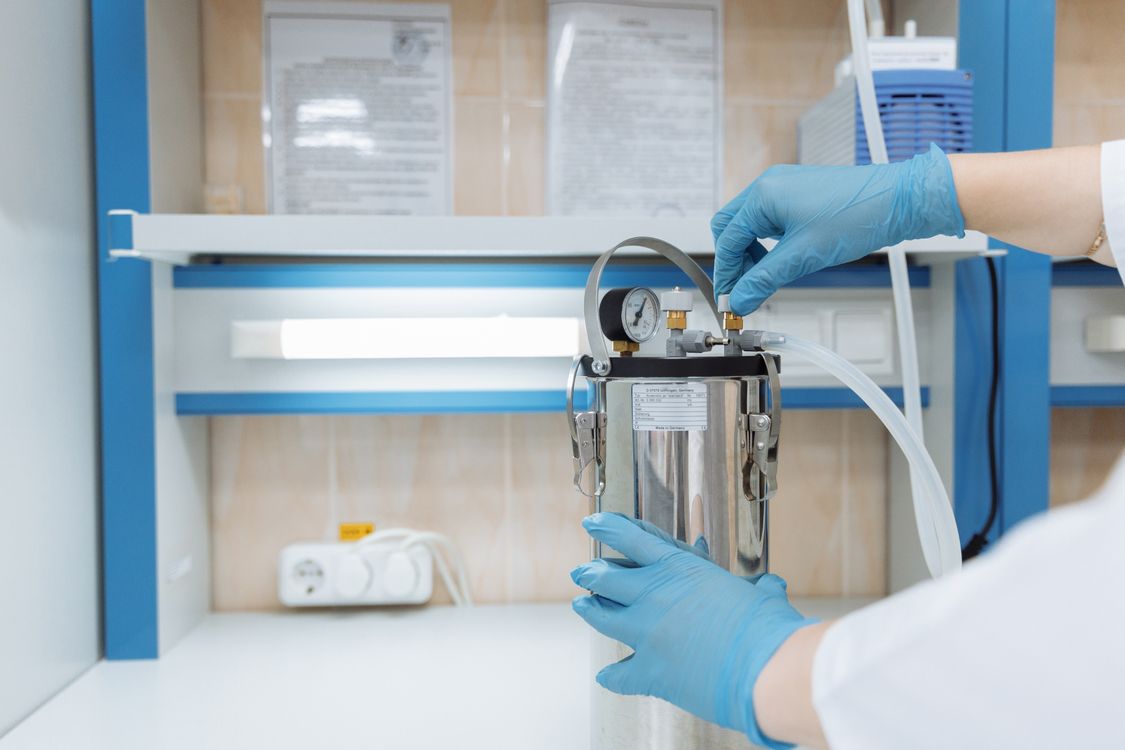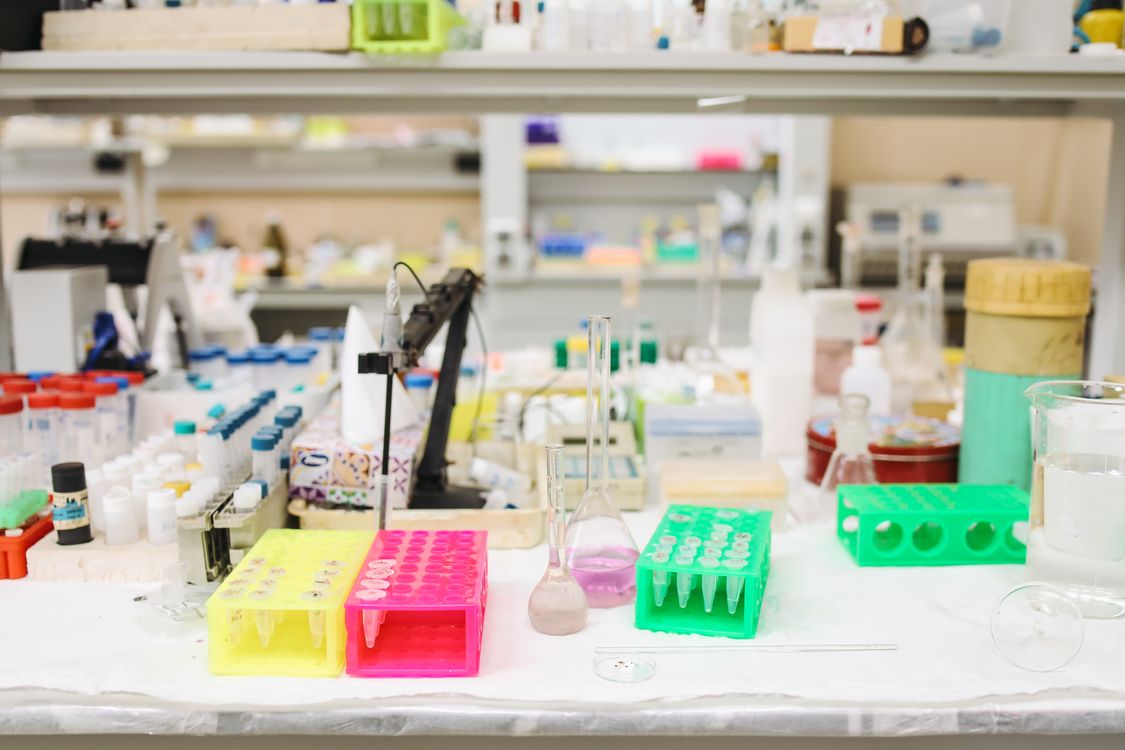

The typical research-lab dilemma
- Too many applications. One lab may run cell culture, PCR, chromatography and inorganic analysis side by side.
- Tight budget. Equipment funds are limited, and a water system is not something to improvise.
- Shared by many. High student turnover, varying skill levels, easy to misuse.
- No dedicated owner. Usually one student handles it part-time, and cartridge changes get missed.
Water quality by technique
| Technique | Grade | Critical specs |
|---|---|---|
| Cell culture / passaging | Type I | Endotoxin, bacteria |
| PCR / qPCR | Type I | Bacteria, DNase/RNase |
| Molecular cloning / electrophoresis | Type I | Ions, bacteria |
| HPLC / LC-MS | Type I | TOC, particles |
| ICP-MS / AAS | Type I | Metal background, reactive silica |
| Routine buffers | Type II | Resistivity |
| Glassware washing | Type III / RO | — |
What culture and molecular work fear most
Not ions — bacteria and biological macromolecules:
- Endotoxin. A bacterial cell-wall component that affects cell state at trace levels. Look for designs that suppress microbial growth (UV, recirculation, final filtration).
- Nucleases. DNase/RNase in water degrade nucleic acid samples. Require dead-volume-free design, autoclavability or equivalent treatment.
- Stagnant water. The first draw after an overnight shutdown is microbiologically worst. Discard the initial volume, or choose a system with recirculation.
- Do not store it. Draw fresh, or keep briefly in sterile containers.
Configuration for multi-group sharing
- Tiered supply. RO outlet for washing (the highest-volume use), ultrapure for experiments. This alone cuts consumable cost noticeably.
- Inline monitoring with logging. When many people share a unit, only data can demonstrate the water stayed good — and only data can be consulted when a result looks wrong.
- Simple operation. One-touch dispensing minimises student error.
- Consumable due-date prompts. Do not rely on someone remembering; prompts plus records are ideal.
- Room to grow. Groups expand. Leave headroom or choose an expandable model.
What to protect first on a tight budget
- Stable water quality. The bottom line. Do not economise here.
- Inline monitoring. Without visibility, you are flying blind.
- Consumable availability. Choose models with widely available, transparently priced consumables for controllable lifetime cost.
- Extra features last. Touchscreens and remote monitoring are nice-to-haves.
The most common mistake is the reverse: saving a few thousand on a marginal unit, then paying it back many times over in expensive consumables, unstable quality and failed experiments.
A practical recommendation
List the techniques your lab runs now and expects within two years, find the one with the strictest water requirement, and set your specs from it. Then confirm three things above all: annual consumable cost, service response time, and whether data can be retained. Those matter far more than appearance or screen size.